
{CITY_NAME} Hip Hop Dance Training Confidence, Rhythm, and Expression Through Hip Hop
Hip Hop dance classes combine high-energy choreography with musical awareness, creativity, and athletic movement. Dancers build coordination, confidence, and stage presence while learning to move with intention to modern music. From foundational grooves to freestyle exploration, Hip Hop training supports both technical growth and personal expression.
Get more information about our offer and pricing on the next page!
More Than Movement, Skills for Real Growth
Hip Hop encourages self expression, individuality, and presence, helping dancers move with confidence both on stage and in everyday life.
Dynamic movement patterns strengthen balance, agility, and full-body control, supporting strong physical development.
Training sharpens timing, rhythm, and musical responsiveness, allowing dancers to connect movement directly to today’s music.
Why Families Choose {BUSINESS_NAME}?

Classes are taught by trained professionals with teaching credentials and performance experience. No student teachers. Just a team focused on your child’s success.

Technique meets life skills. Dancers gain confidence, discipline, and respect through clear progressions and values-based training.

Sprung floors, clean spaces, and viewing access for families. Facilities designed for safety, comfort, and focus.

A welcoming culture where dancers make friends, feel seen, and belong. Strong communication with parents. Support that lasts.
A Dance Style That Evolves With the Dancer
Hip Hop training is designed to grow alongside the dancer. What begins with basic grooves, rhythm awareness, and simple choreography develops into strong musicality, performance confidence, and advanced movement control. Each level intentionally builds on the last, reinforcing timing, coordination, strength, and expressive quality.
As dancers advance, choreography becomes more layered and demanding. Musical accents, transitions, and freestyle elements challenge focus and adaptability. This progression allows dancers to move beyond memorization into confident execution, where individuality and technique work together.
Dancers learn basic grooves, rhythm patterns, and body awareness while building coordination and confidence.
Choreography increases in complexity, focusing on sharper execution, cleaner transitions, and musical accuracy.
Dancers explore dynamics, texture, and personal style through freestyle and structured combinations.
Advanced training emphasizes stamina, stage presence, adaptability, and confident performance quality.
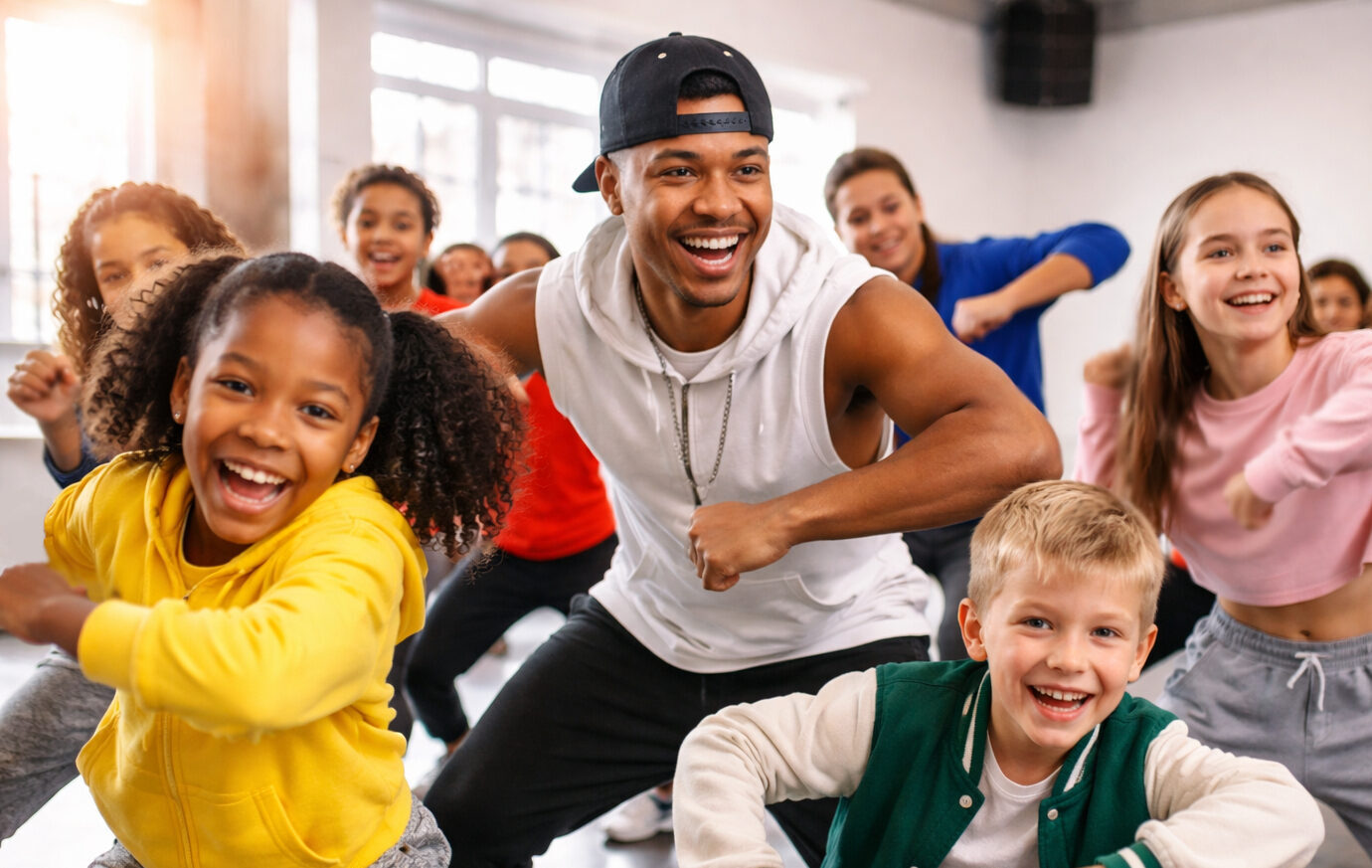
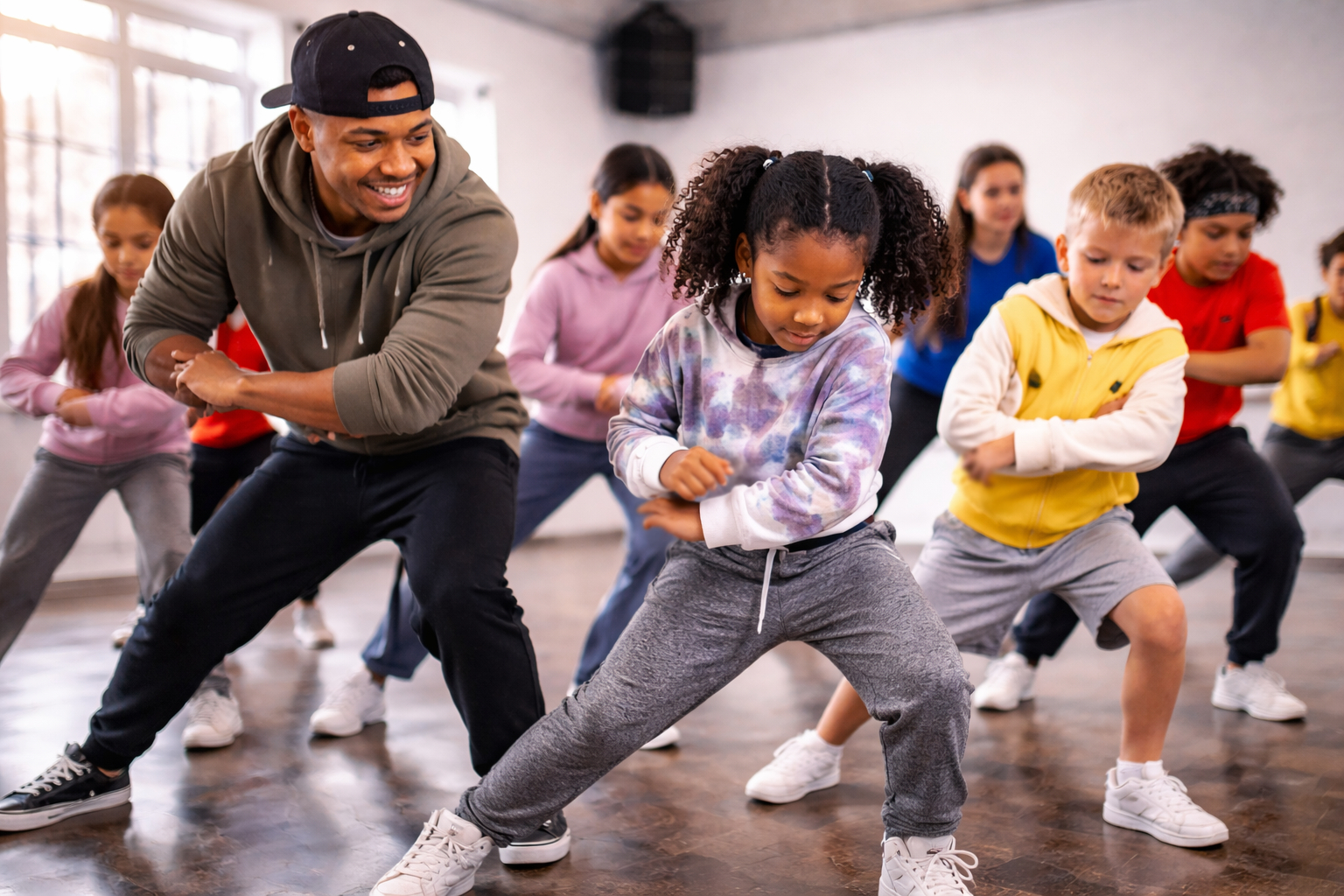
Learning Rhythm Through Movement
Hip Hop training begins by teaching dancers how to listen, feel, and move with music. Early instruction focuses on rhythm awareness, grounded movement, and clear execution so dancers understand how musical timing and body control connect.
Foundational Skills Introduced Early:
- Basic counting and rhythm recognition
- Core grooves that build balance and coordination
- Repetition that supports confidence and progress
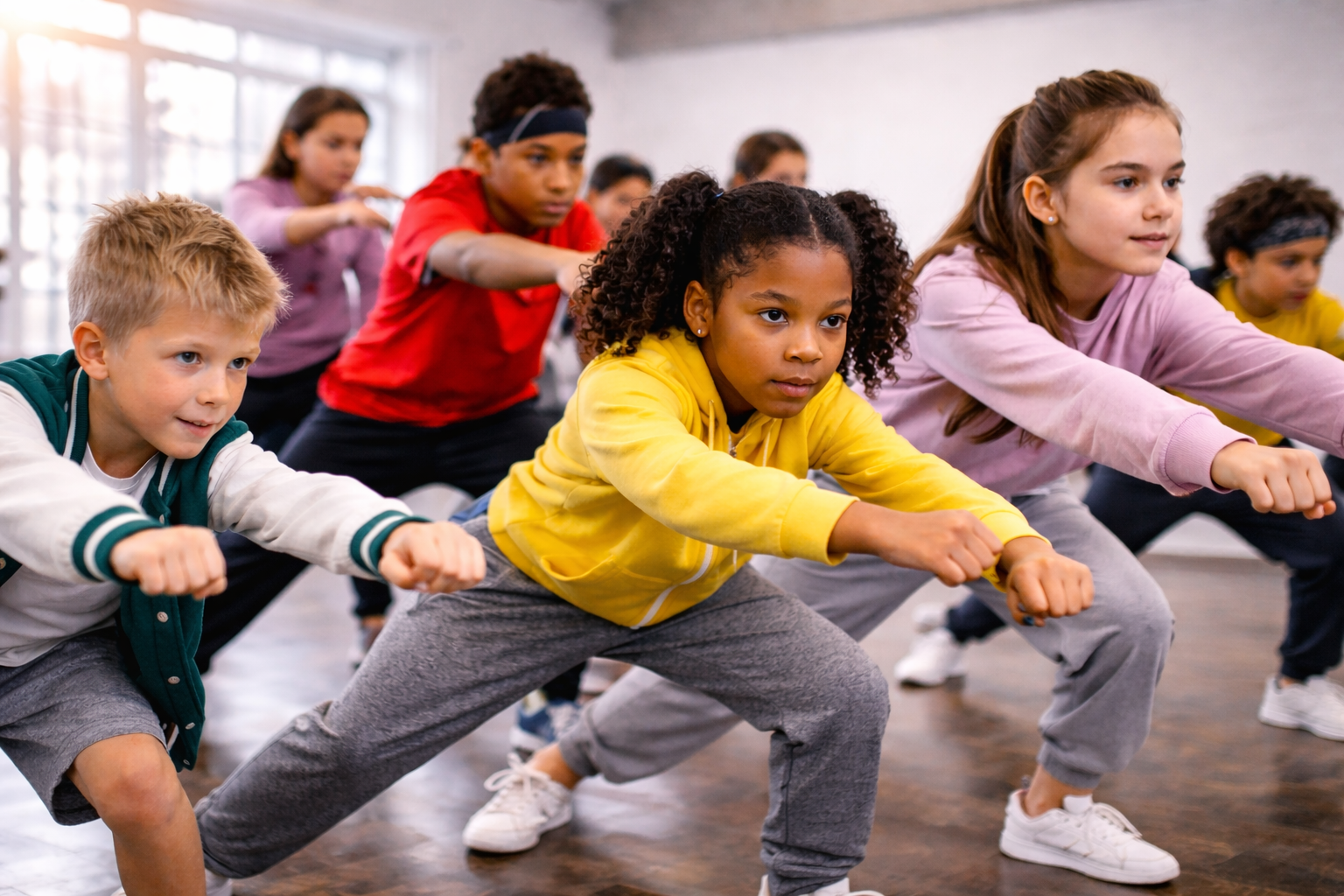
Control Creates Confidence
As dancers progress, Hip Hop training becomes more detailed and intentional. Combinations grow faster and more layered, requiring sharper timing, cleaner transitions, and stronger control. Precision helps dancers move with clarity and confidence.
Technique Development Includes:
- Improved speed and control without losing form
- Stronger transitions between movements
- Increased stamina for longer combinations
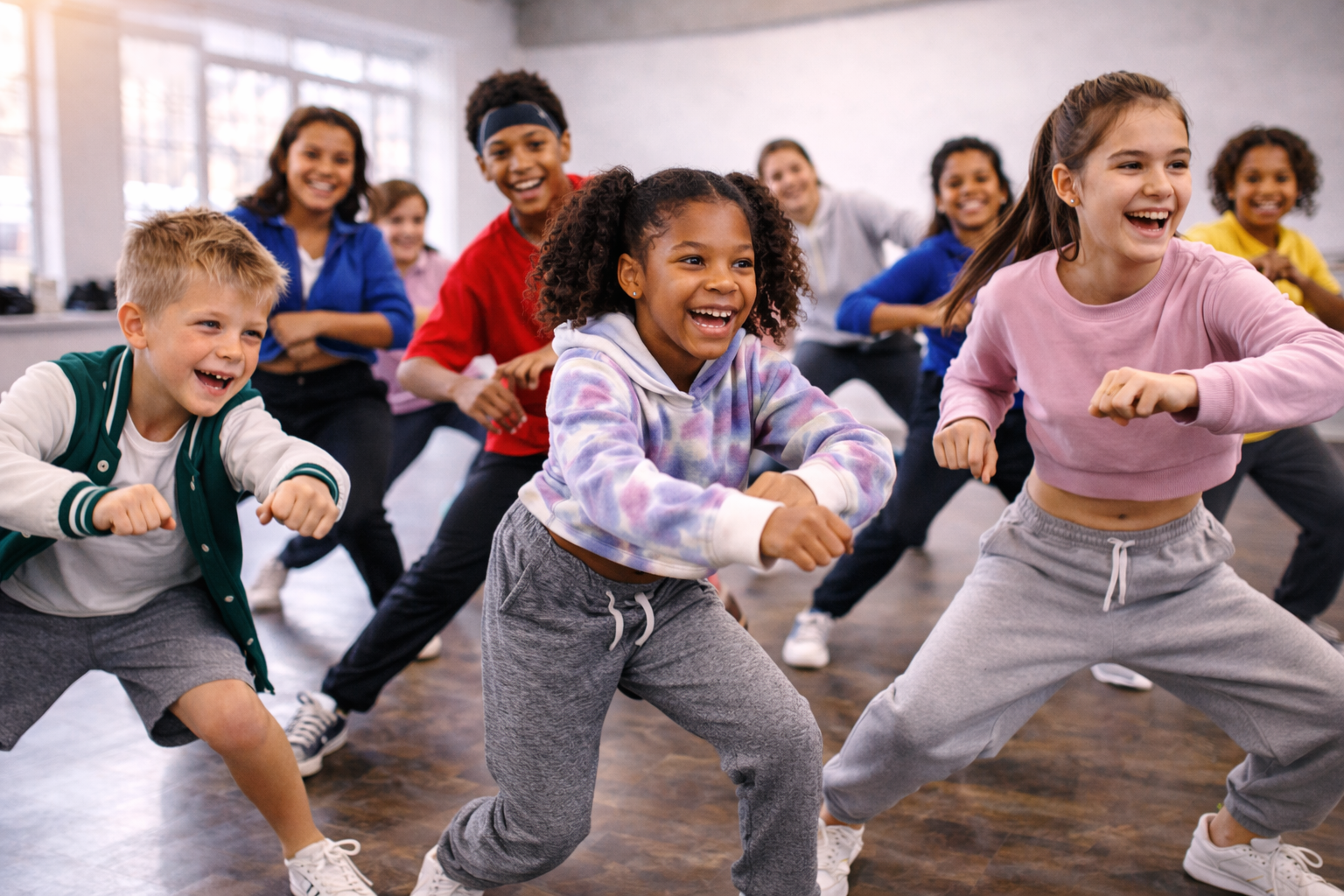
A Style That Supports Total Dance Growth
Hip Hop thrives on creativity and individuality. As dancers advance, they learn how to interpret music, explore freestyle, and bring personality into choreography. This balance of structure and freedom builds expressive confidence and performance presence.
Artistry Through Movement:
- Musical interpretation beyond memorization
- Dynamic use of levels, texture, and accents
- Confidence through expressive performance
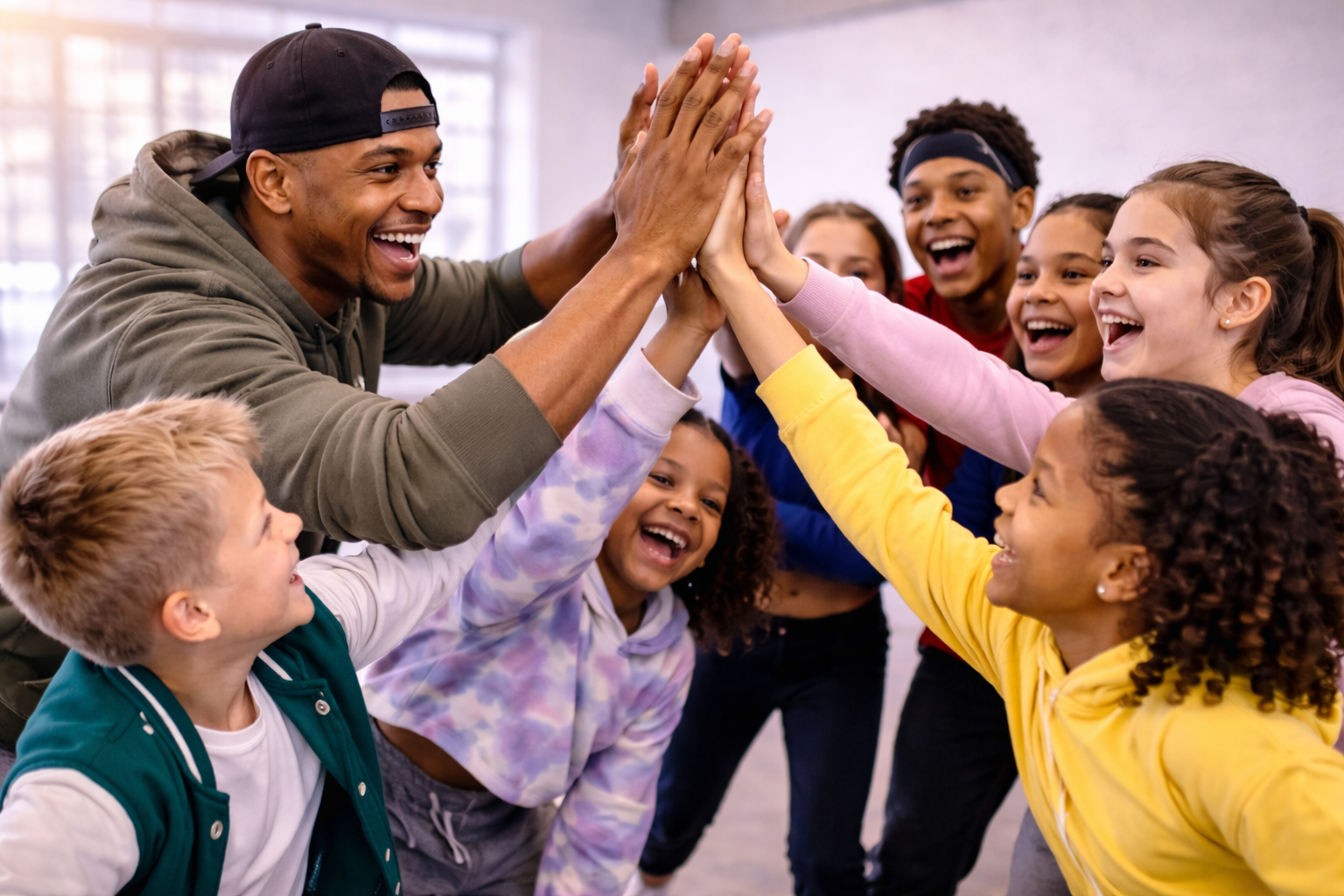
A Core Discipline for Dancers
Hip Hop is a powerful part of a well-rounded dance education. The strength, musicality, and coordination developed through Hip Hop training support success across multiple dance styles. Dancers often demonstrate improved timing, adaptability, and stage confidence.
How Hip Hop Supports Overall Training:
- Reinforces musical awareness used across styles
- Builds strength, agility, and coordination
- Encourages confidence and performance readiness
What Parents and Dancers Are Saying About {BUSINESS_NAME}
Families consistently highlight the positive environment, structured progression, and confidence growth that comes from quality dance instruction.

The team experience at {BUSINESS_NAME} has pushed me to improve every week. Performing on stage has built my confidence like nothing else.

Lorem ipsum dolor sit amet, consectetur adipiscing elit. Pellentesque in purus in velit ornare interdum. Morbi rhoncus quis neque sed commodo. Suspendisse mollis vestibulum venenatis. Vivamus quis mauris in purus vulputate pulvinar vel id arcu.

Joining the competition team at {BUSINESS_NAME} has been one of the best decisions we've made. Our daughter has grown so much as a dancer and a person. The support from the instructors and her teammates in {CITY_NAME} is incredible!
Lorem ipsum dolor sit amet, consectetur adipiscing elit. Pellentesque in purus in velit ornare interdum. Morbi rhoncus quis neque sed commodo. Suspendisse mollis vestibulum venenatis. Vivamus quis mauris in purus vulputate pulvinar vel id arcu.

Lorem ipsum dolor sit amet, consectetur adipiscing elit. Pellentesque in purus in velit ornare interdum. Morbi rhoncus quis neque sed commodo. Suspendisse mollis vestibulum venenatis. Vivamus quis mauris in purus vulputate pulvinar vel id arcu.

Lorem ipsum dolor sit amet, consectetur adipiscing elit. Pellentesque in purus in velit ornare interdum. Morbi rhoncus quis neque sed commodo. Suspendisse mollis vestibulum venenatis. Vivamus quis mauris in purus vulputate pulvinar vel id arcu.
Get more information about our offer and pricing on the next page!
FAQs
Hip Hop classes are typically offered across multiple levels, with age used as guidance while placement is based on experience and readiness.
No. Hip Hop training welcomes both beginners and experienced dancers, with instruction adapted to each level.
Hip Hop builds coordination, musicality, confidence, agility, and expressive movement.
Yes. Classes are structured to be age appropriate while still challenging and engaging.
Comfortable clothing that allows movement and clean athletic shoes are typically recommended.
The focus on expression, rhythm, and individuality helps dancers feel comfortable performing and expressing themselves.
Skills That Last Beyond the Studio
Dancers learn to respond to rhythm and musical cues with confidence.
Choreography and counting patterns strengthen concentration and recall.
Consistent training builds responsibility, commitment, and perseverance.
Hip Hop’s energy and creativity keep dancers engaged and motivated.
Get more information about our offer and pricing on the next page!